A weaving tradition with ancient origins
The Bevilacqua family’s roots in weaving go back to 1499. In that year Giovanni Mansueti painted St Mark Dragged into the Synagogue, recording the names of its patrons on a cartouche; among them appears one “Giacomo Bevilacqua, Weaver”. The Tessitura itself was founded in 1875 by Luigi Bevilacqua, who salvaged looms and machinery once used by the Silk School of the Serenissima. Some documents, however, show that Bevilacqua weavers were already active in the eighteenth century.
An ancient Venetian art
The company thus carries on an ancient Venetian art that declined in the eighteenth century and was reborn in the nineteenth, combining historical techniques and designs with a touch of modernity.
A family tradition
Since its beginnings, the Tessitura has been run by the children and heirs of Luigi Bevilacqua. Today it is led by Rodolfo Bevilacqua, a lawyer, who serves as chairman and head of production, and by his brother Alberto Bevilacqua, CEO and head of marketing. Supported by a skilled team, the Bevilacqua brothers run the company in person. Their daily presence and deep knowledge of weaving techniques guarantee a product of the highest quality, today as in the past.
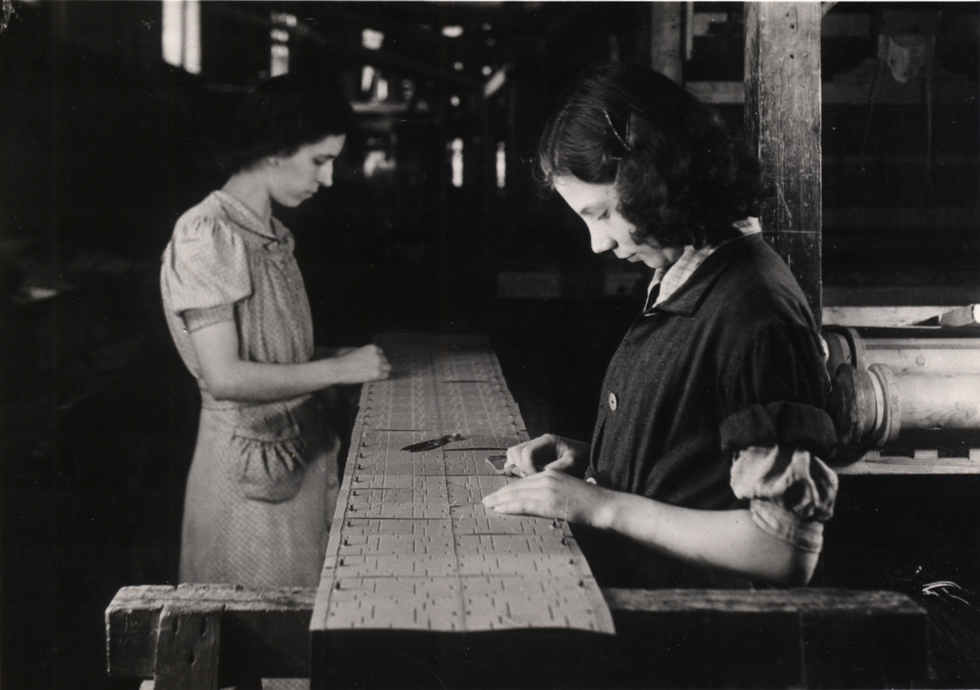
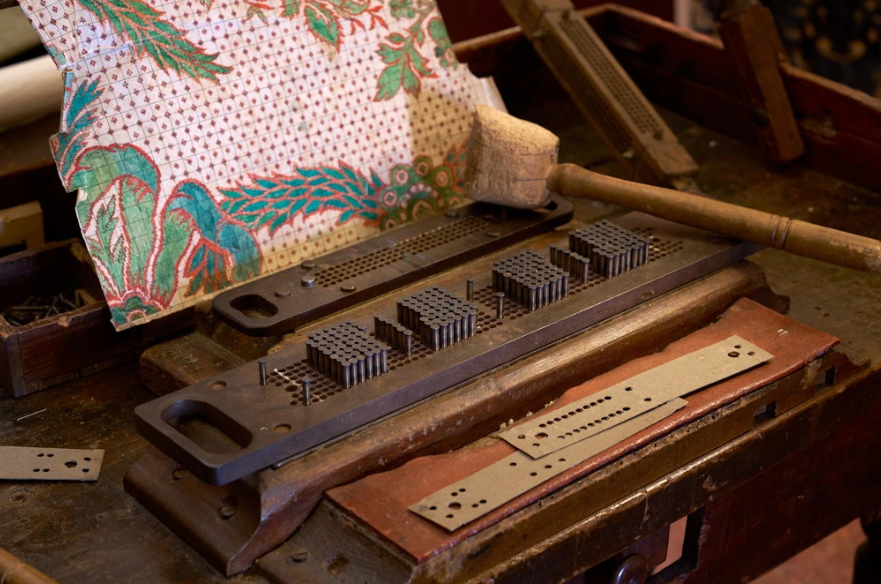
After founding the company, Luigi Bevilacqua added a Jacquard machine to the historic looms, simplifying the creation of the most complex patterns without compromising the quality of Venetian velvet. From its first workshop on Fondamenta San Lorenzo, the Tessitura later moved to Santa Croce, on the Grand Canal, where it is today the last weaving mill still active in Venice’s historic centre.
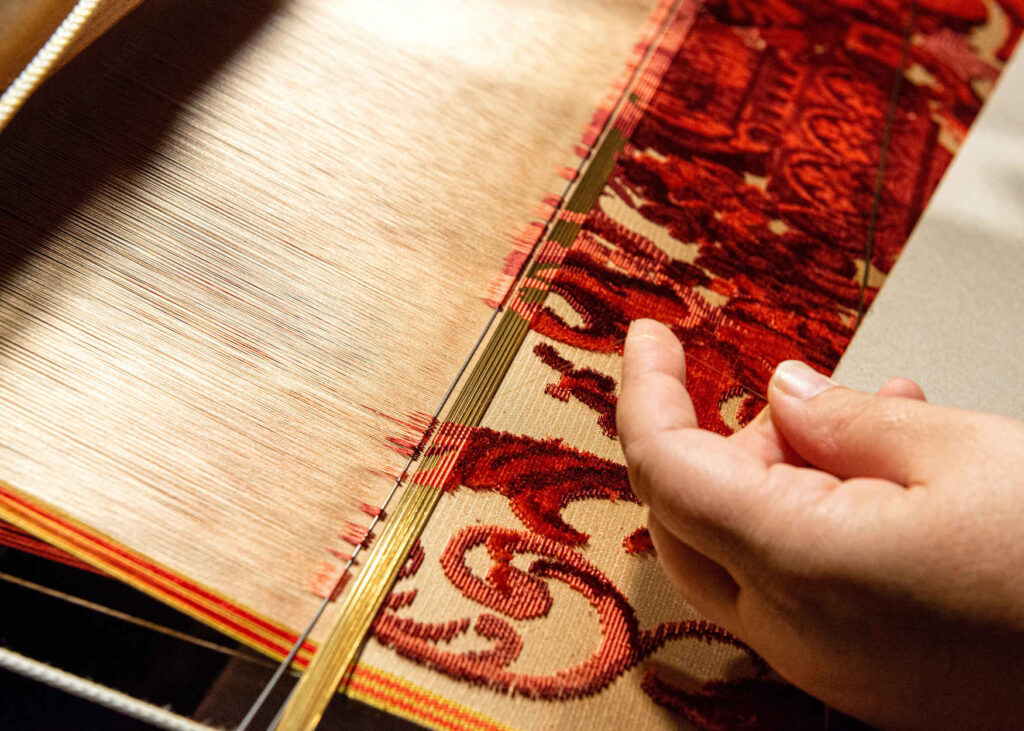
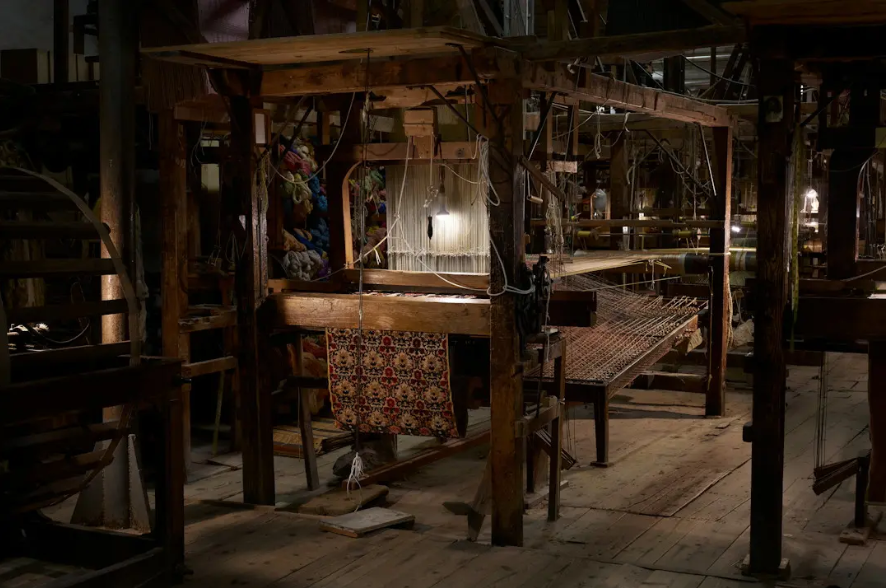
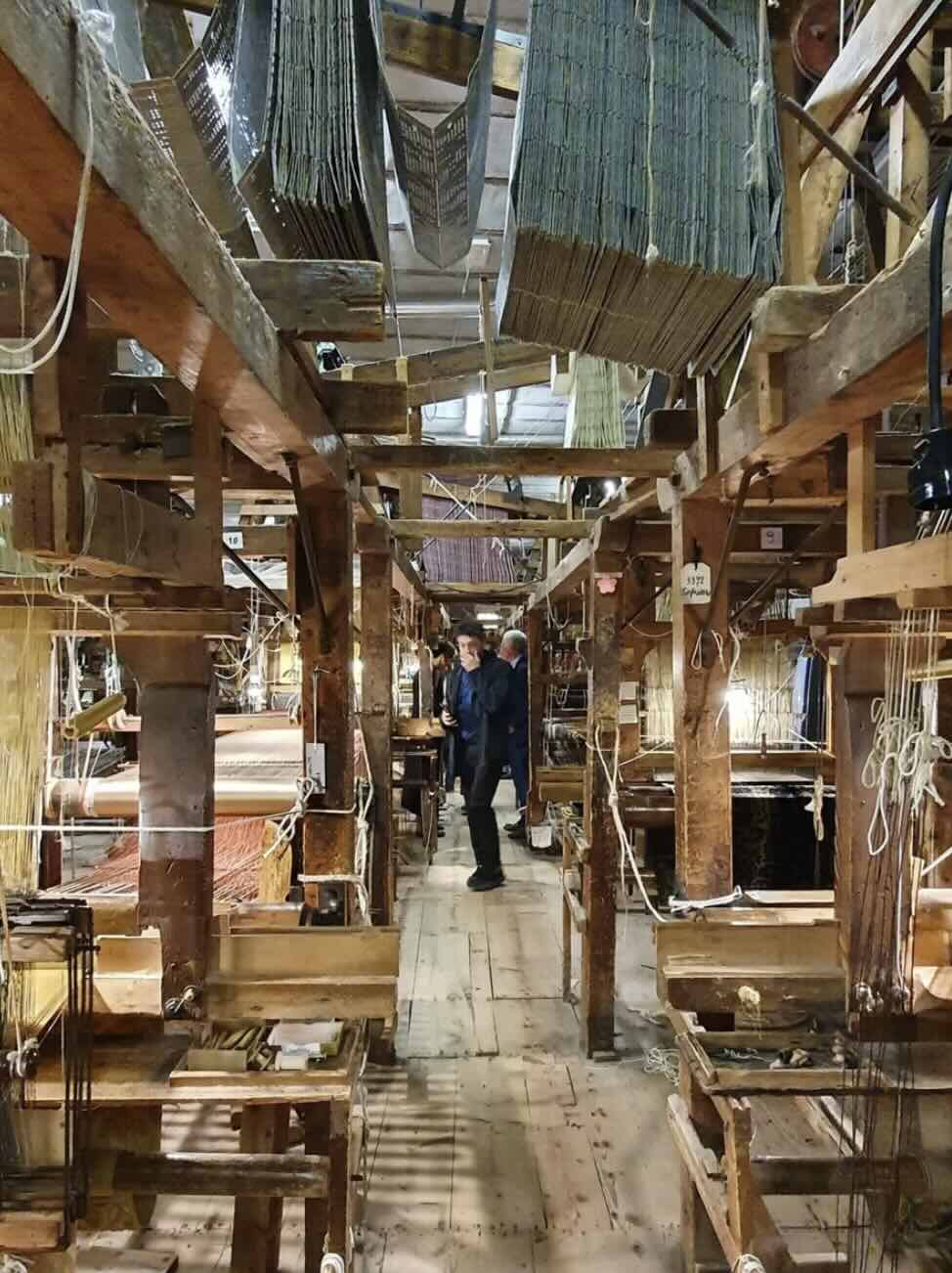
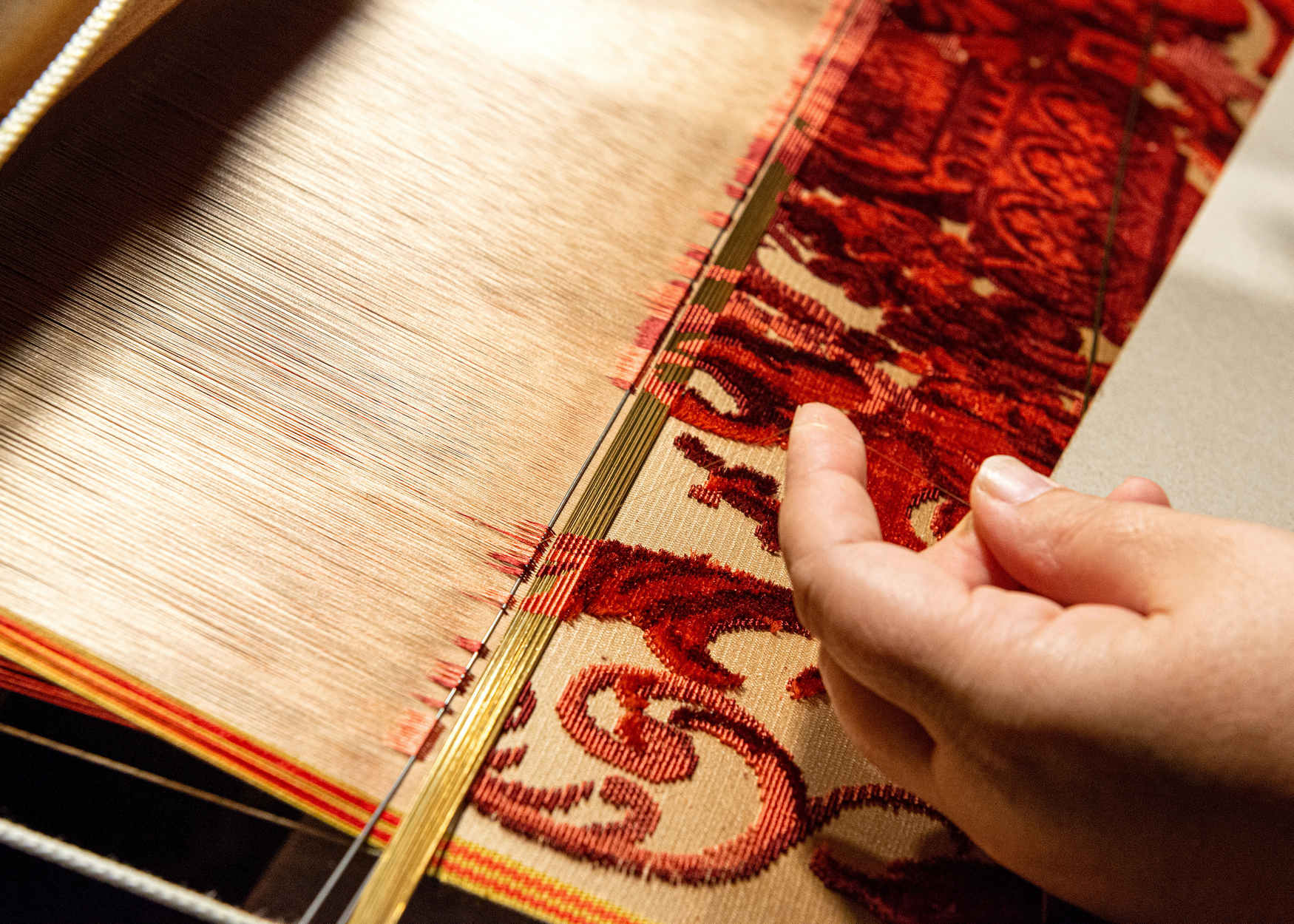
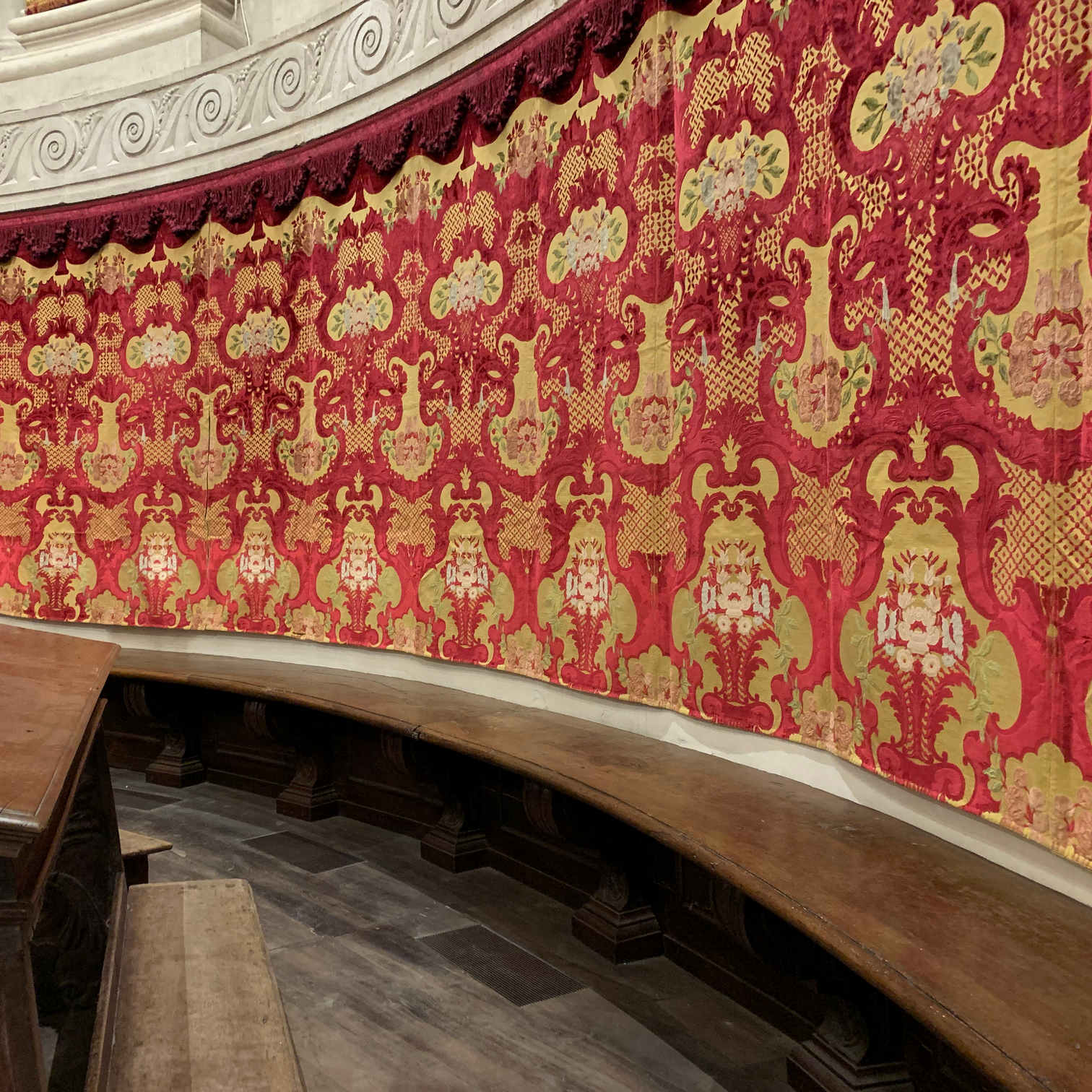
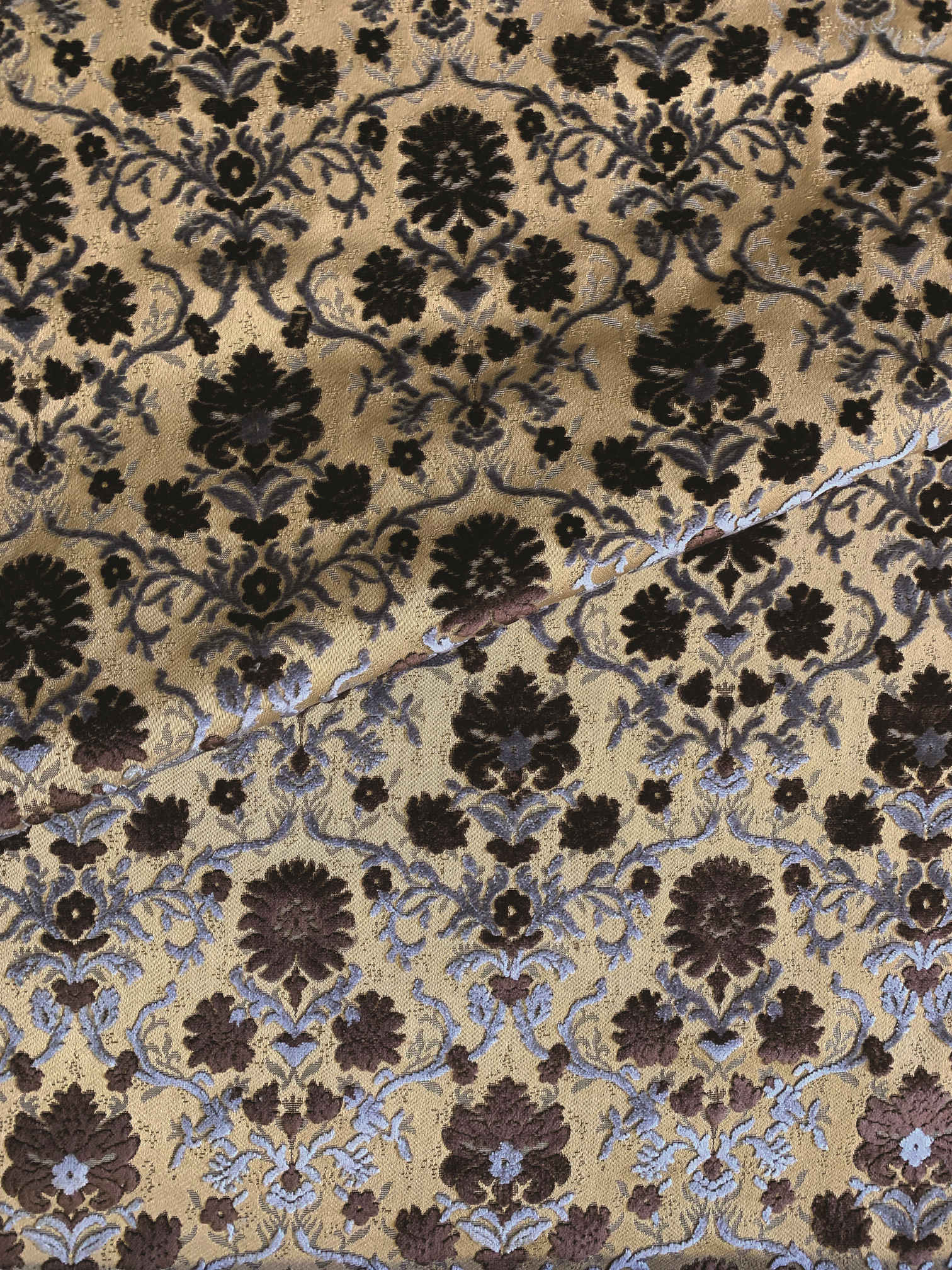
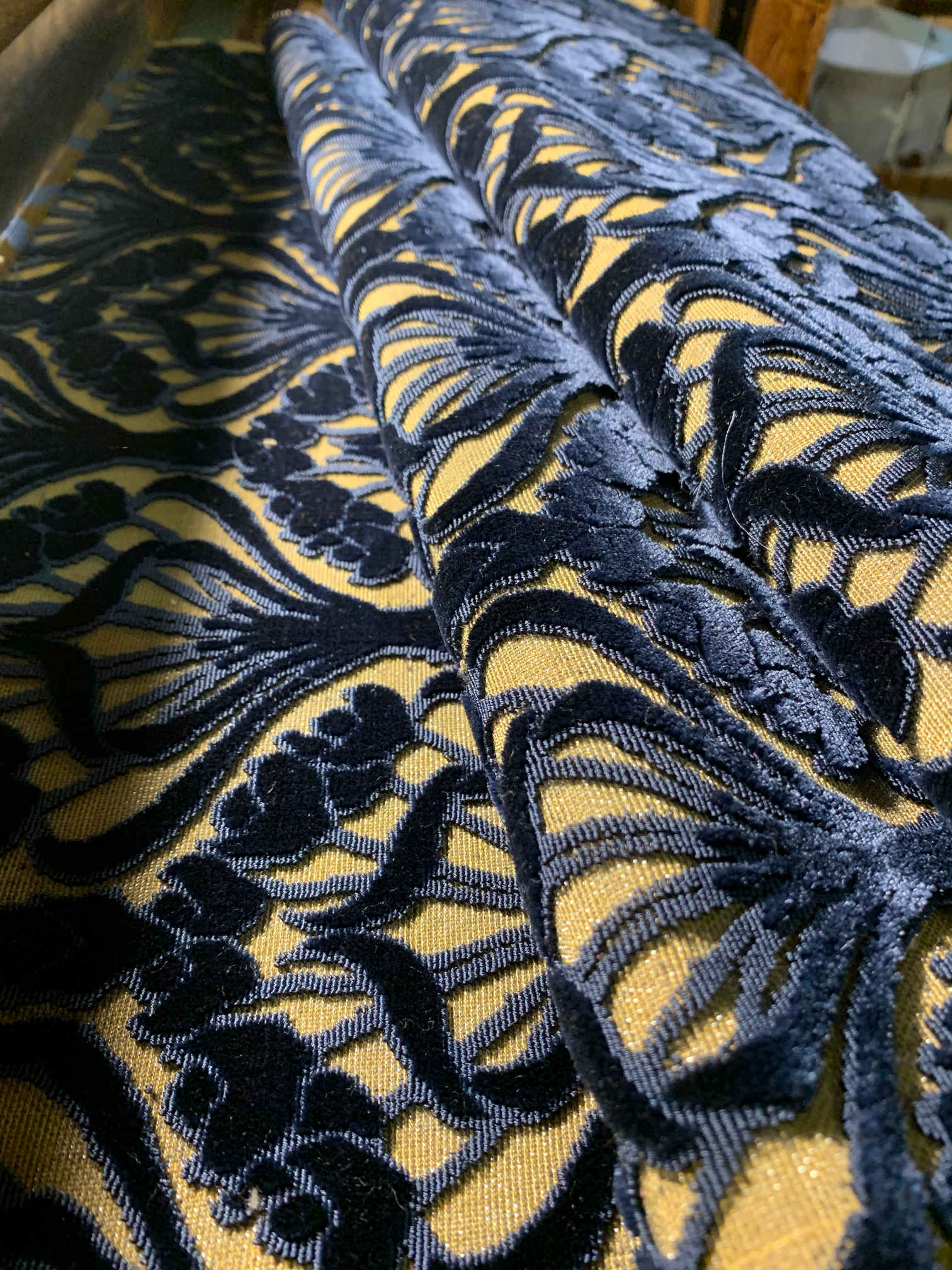
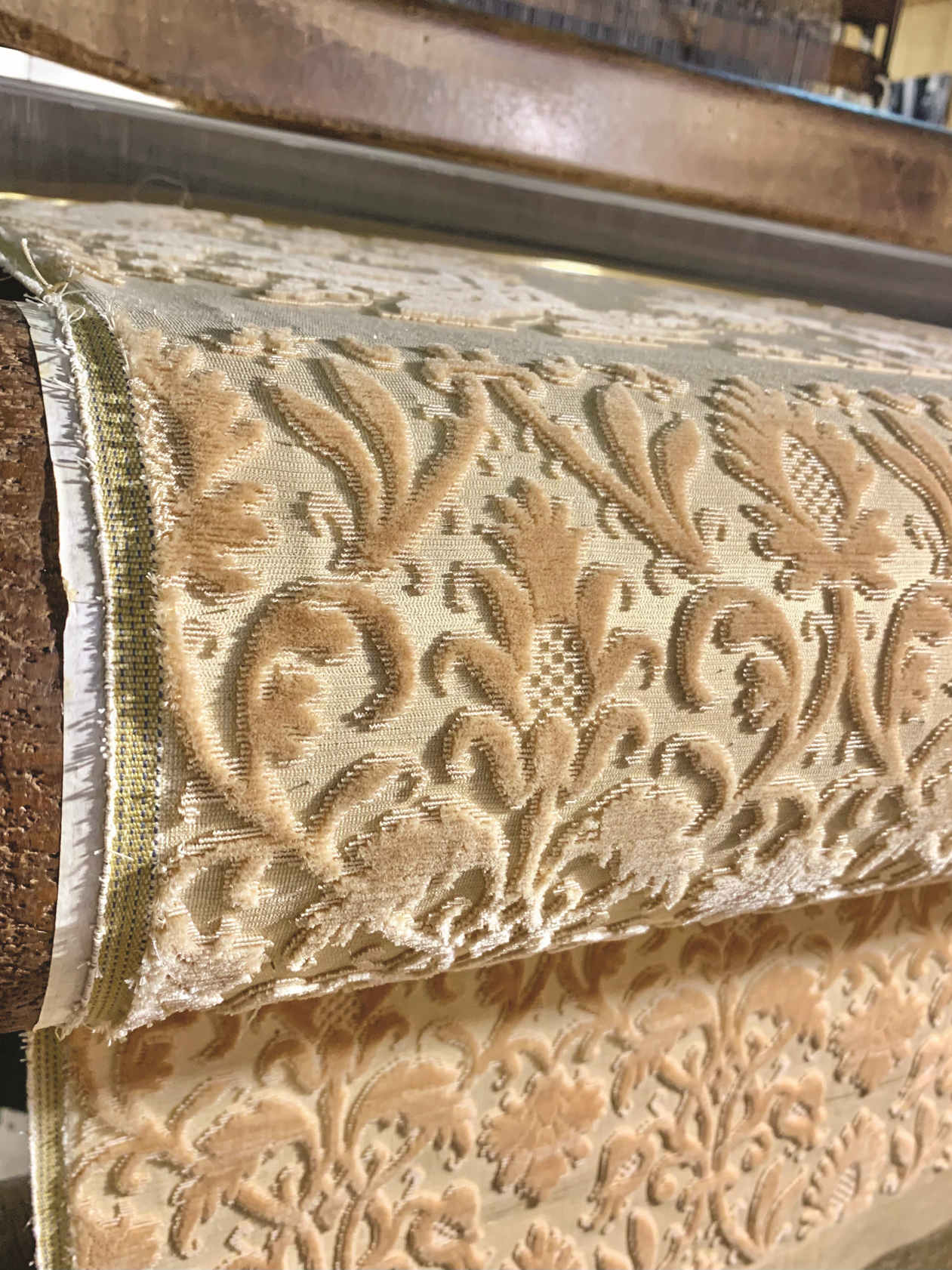
Here some twenty eighteenth-century handlooms produce velvets, damasks and brocades. The house’s signature is soprarizzo, a velvet that layers cut pile over looped pile to create a refined play of light and shadow; only about 25 centimetres are woven a day. The archive holds some 3,500 designs and samples, ranging from Byzantine to contemporary art.
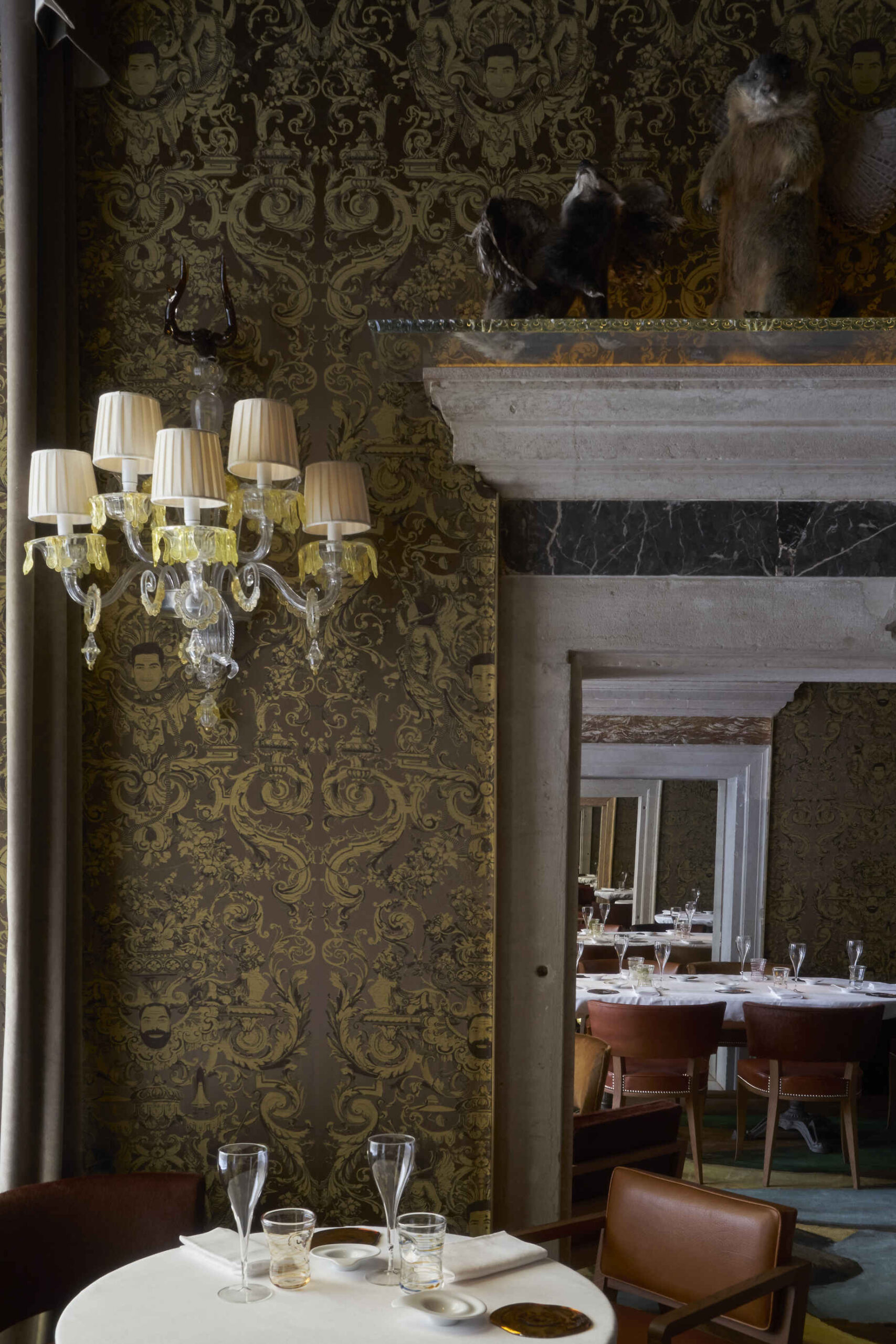
Bevilacqua velvets adorn the Oval Office of the White House, the seating of the Kremlin and the Royal Palace in Dresden, for which 800 metres of red velvet were woven. In fashion, they have been chosen by Valentino, Dior and Dolce&Gabbana.