Geminiano Cozzi
Fine art porcelain for the table and the home since 1765
Il brand
In 1765, in Venice, one man turned kaolin into white gold. Geminiano Cozzi, a native of Modena, a ceramist and a tireless experimenter, founded a manufactory in the Cannaregio district that within a few years surpassed every rival in the luminosity of its paste and the boldness of its decoration.
For almost fifty years, his porcelain set the style of an era. Then, in 1812, the manufactory closed, and its creations found their way into museums and the great international auction houses.
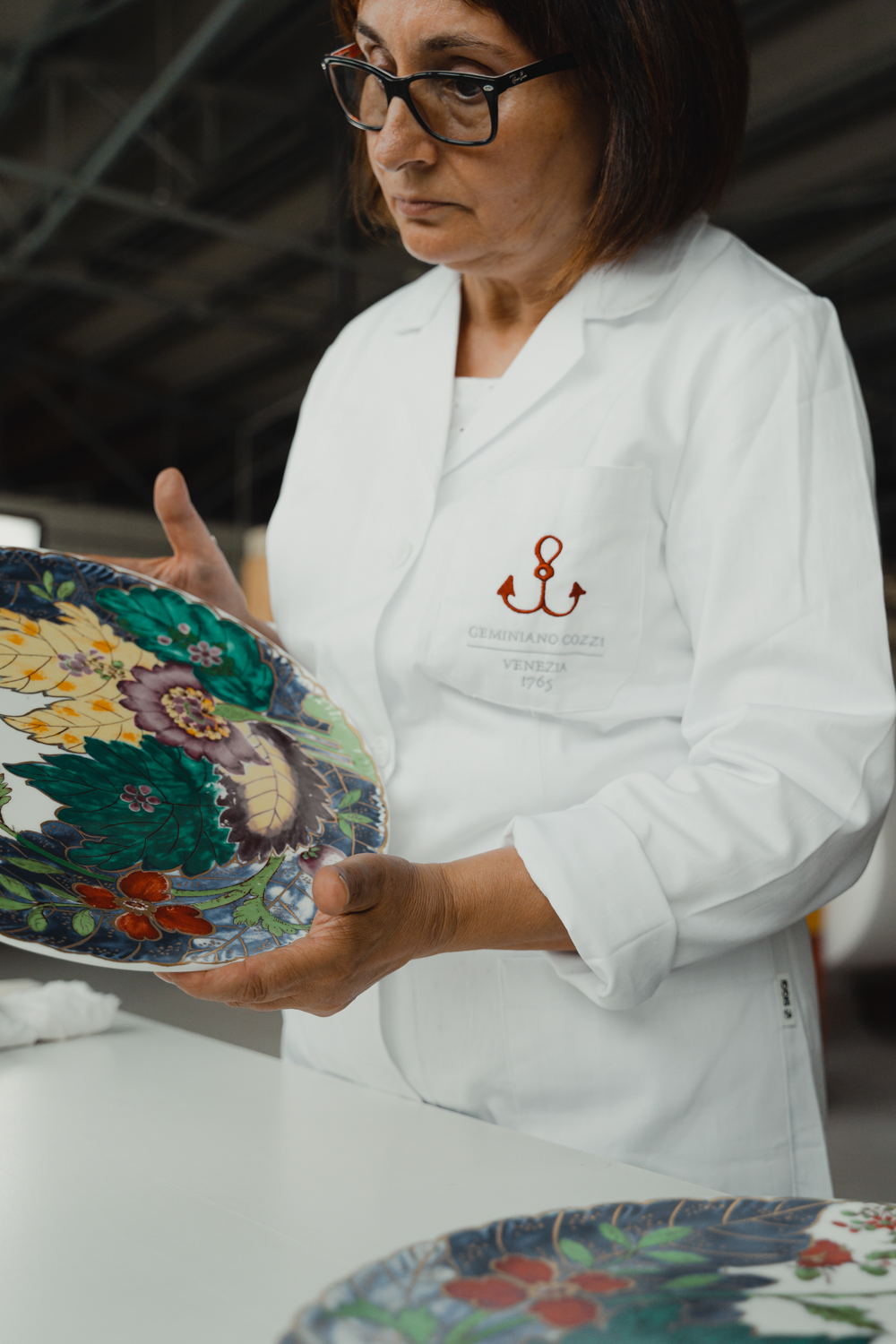
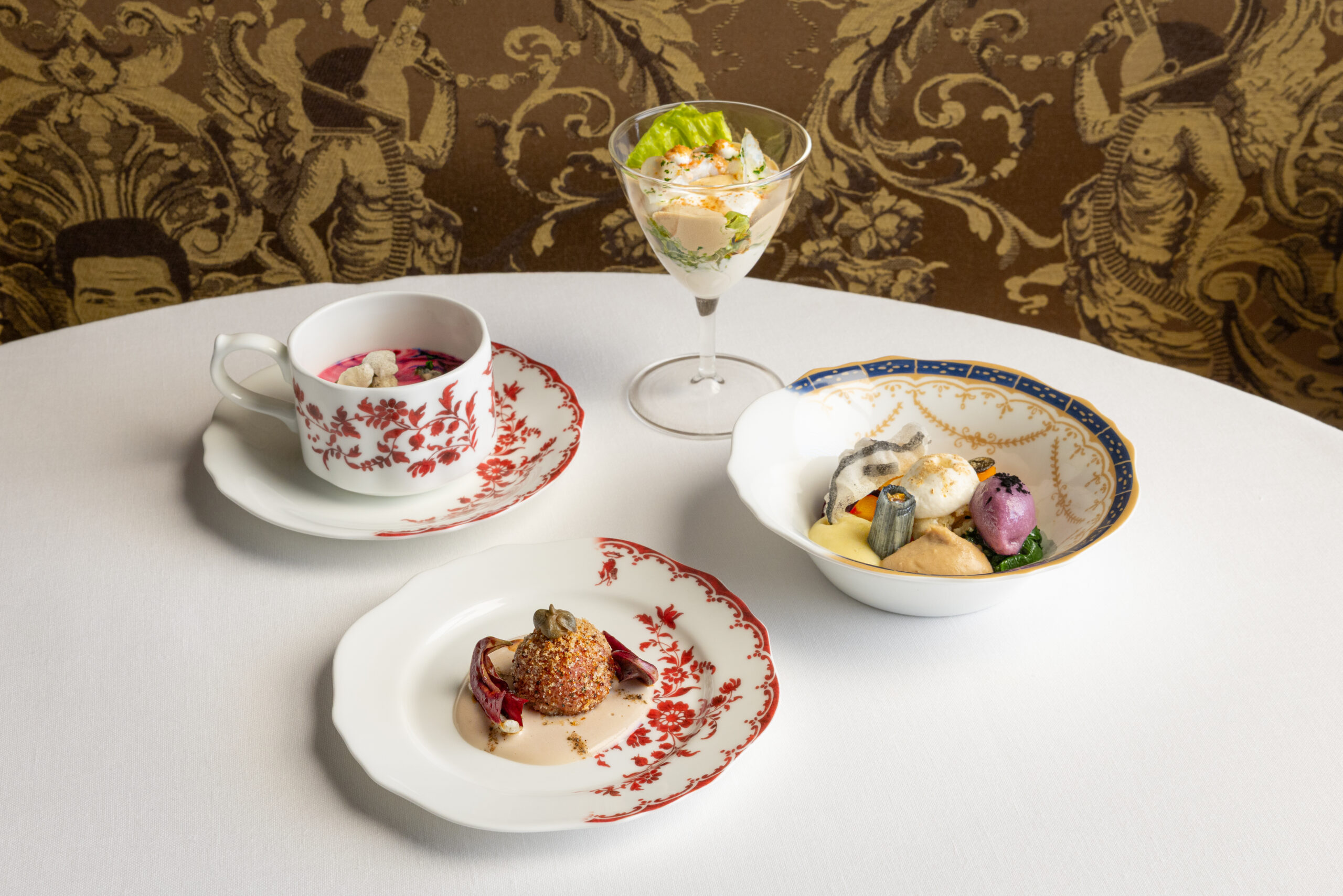
Two centuries later, another entrepreneur, Tonino Tognana, decided to reopen that story, with the same spirit and the same obsession with the material. Today Geminiano Cozzi Venezia 1765 creates fine bone porcelain pieces for the table and the home, works with luxury hotels, Michelin-starred restaurants and international lifestyle brands, and develops bespoke projects.
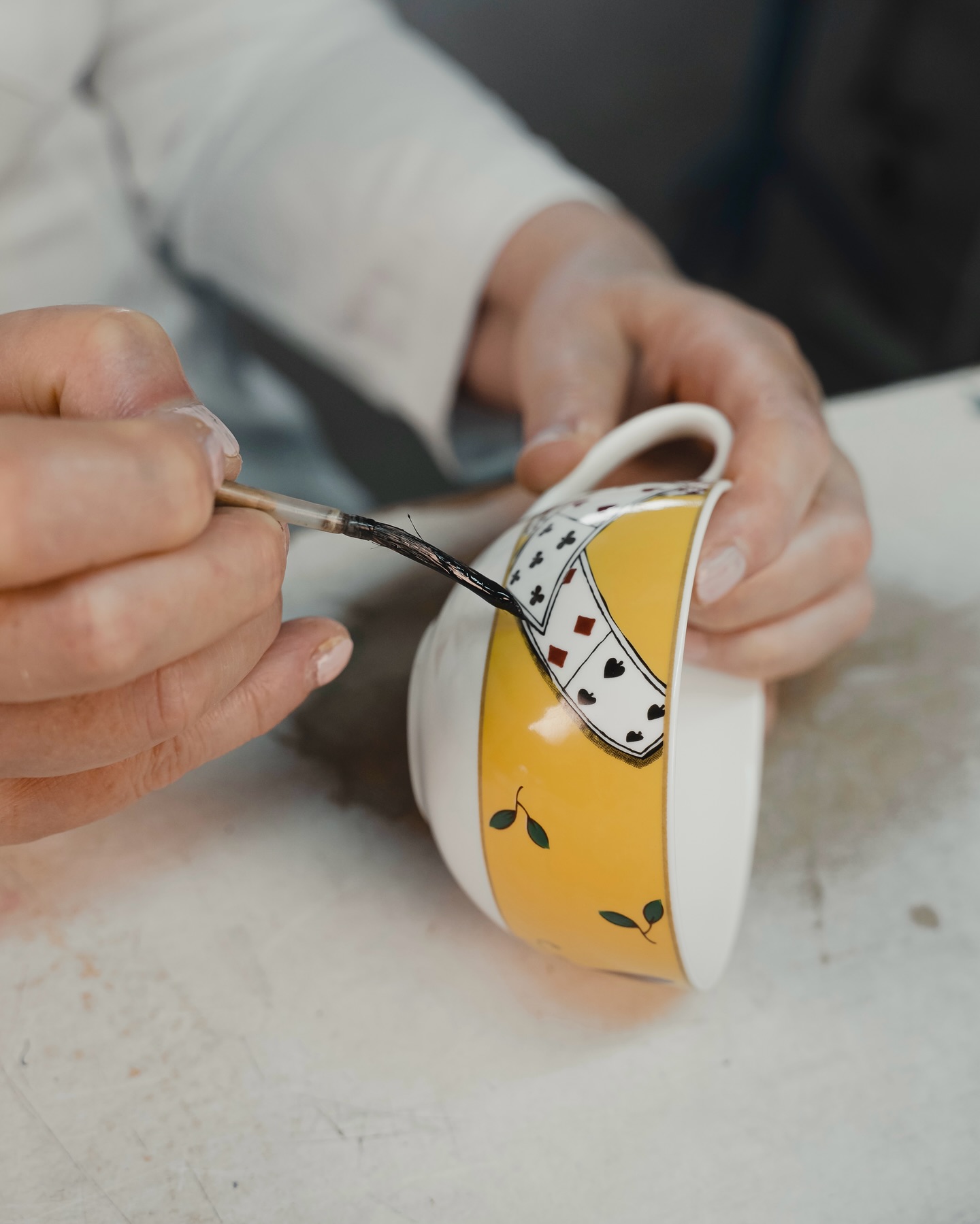
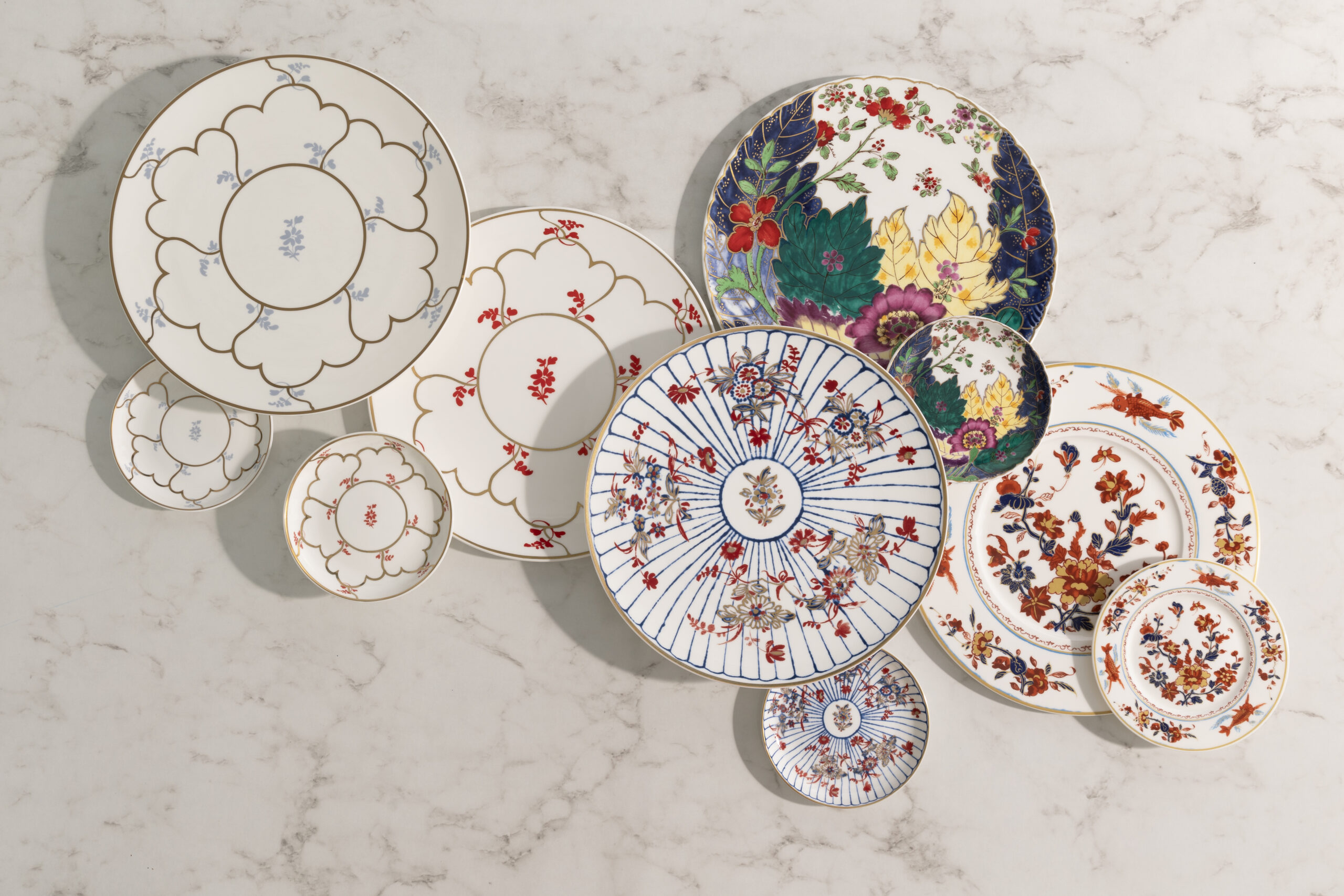
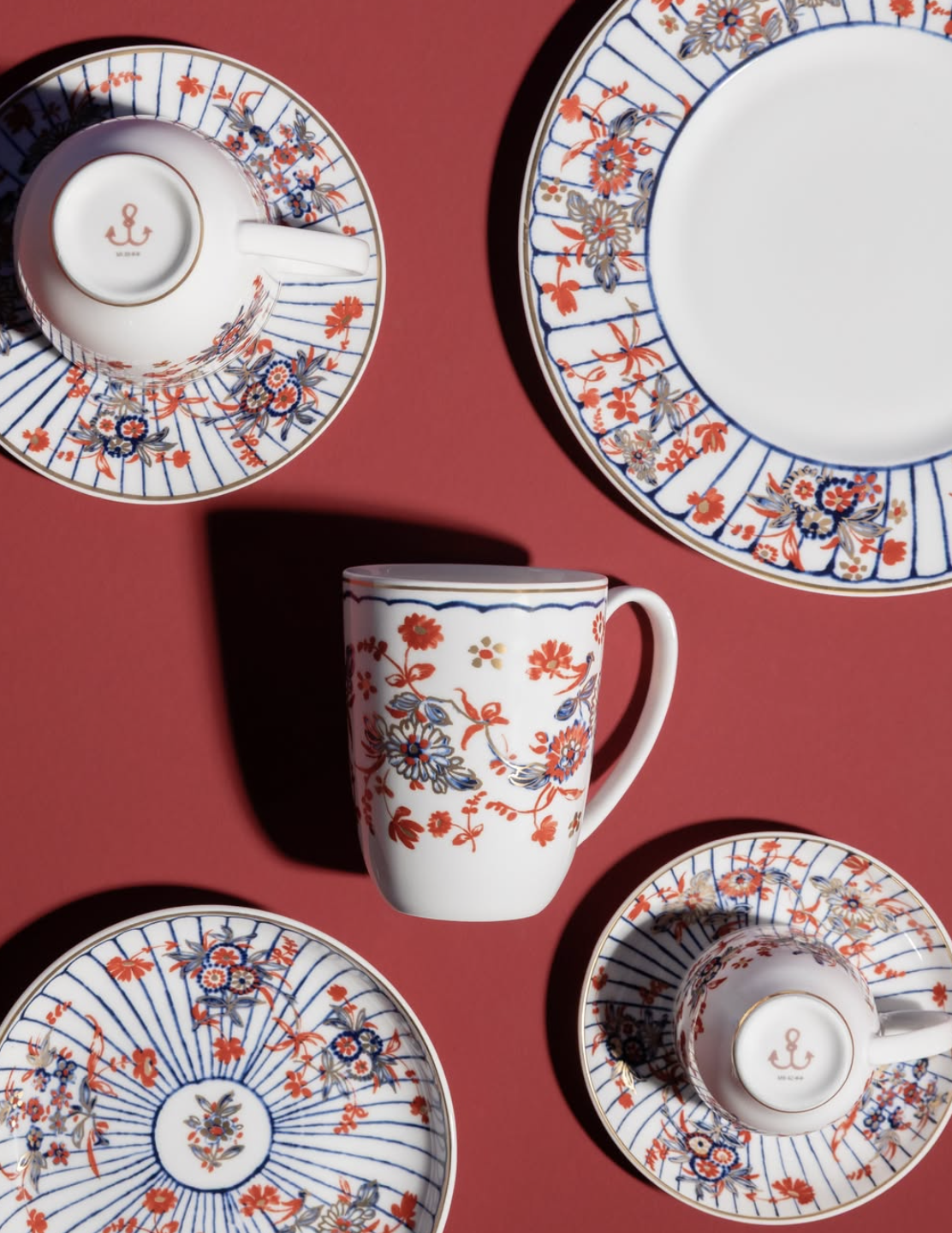
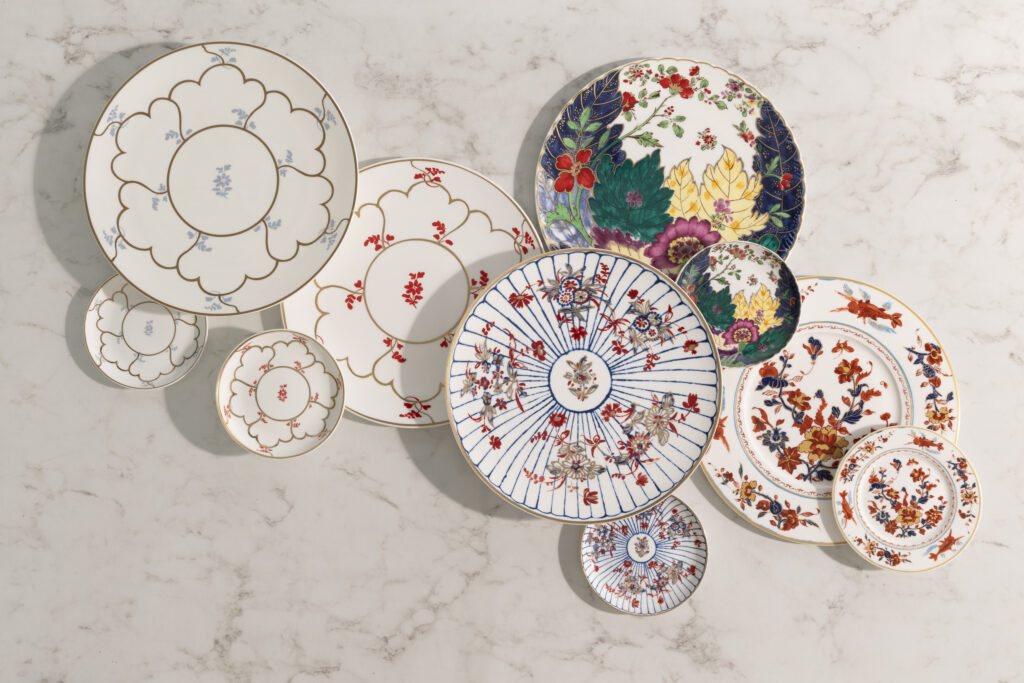
Five collections, Bianco Puro, Tradizionale, Decori Moderni, Tailor Made and Art Collection, are bound by a common thread: the ability to stand the test of time. Perhaps the clearest symbol of this vision is the “Striche” decoration, an essential geometry born in the eighteenth century that anticipated neoclassical and modern restraint by centuries. Today, as then.
What bears the Geminiano Cozzi signature is not just porcelain. It is an Italian idea of beauty: refined, cultured, alive.
- Ambienti: Accessories
La storia del brand
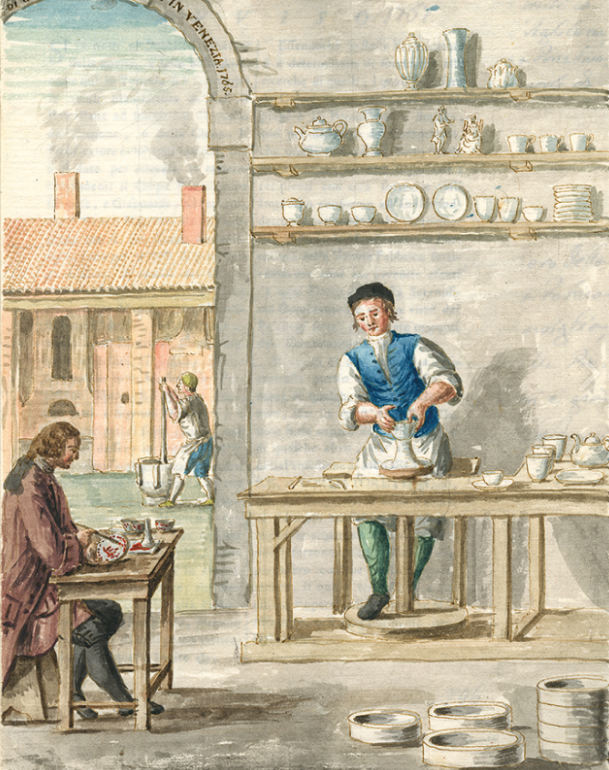
In the eighteenth century, Venice was the only Italian state with four porcelain manufactories, all of them privately owned. Alongside Vezzi, Hewelcke and Antonibon, Geminiano Cozzi’s was one of the few that endured. In 1765 the Most Serene Republic granted him a privilege, along with support to build a water mill: the manufactory’s official birth certificate. The kaolin came from Mount Tretto, near Schio, and as early as 1767 the San Giobbe factory employed 45 workers and six apprentices, with four kilns in operation.
In 2016 Ca’ Rezzonico, the Museum of Eighteenth-Century Venice, devoted the first-ever retrospective to Cozzi, bringing together more than 600 pieces from museums and collections around the world.
Since 2014, the year of its relaunch, that archive has come back to life: the Teatro dei Sogni collection was inspired by a 1780 vase held at Ca’ Rezzonico, while the Burano shapes were chosen for the Bulgari hotels in Rome, Bodrum and Tokyo.